Dessert Vanilla Sponge Cake
Highlighted under: Oven Baking | Bread & Pastry
I absolutely adore making a vanilla sponge cake whenever I’m in the mood for something light and fluffy. This recipe is my go-to because it yields a cake that's moist and delicious without being overly sweet. The delicate vanilla flavor shines through, making it perfect for any occasion, from a fancy dessert to a simple afternoon treat. I love pairing it with fresh berries and whipped cream, which takes it to another level of yumminess. Trust me, once you've made this sponge cake, you'll want to share it with everyone!
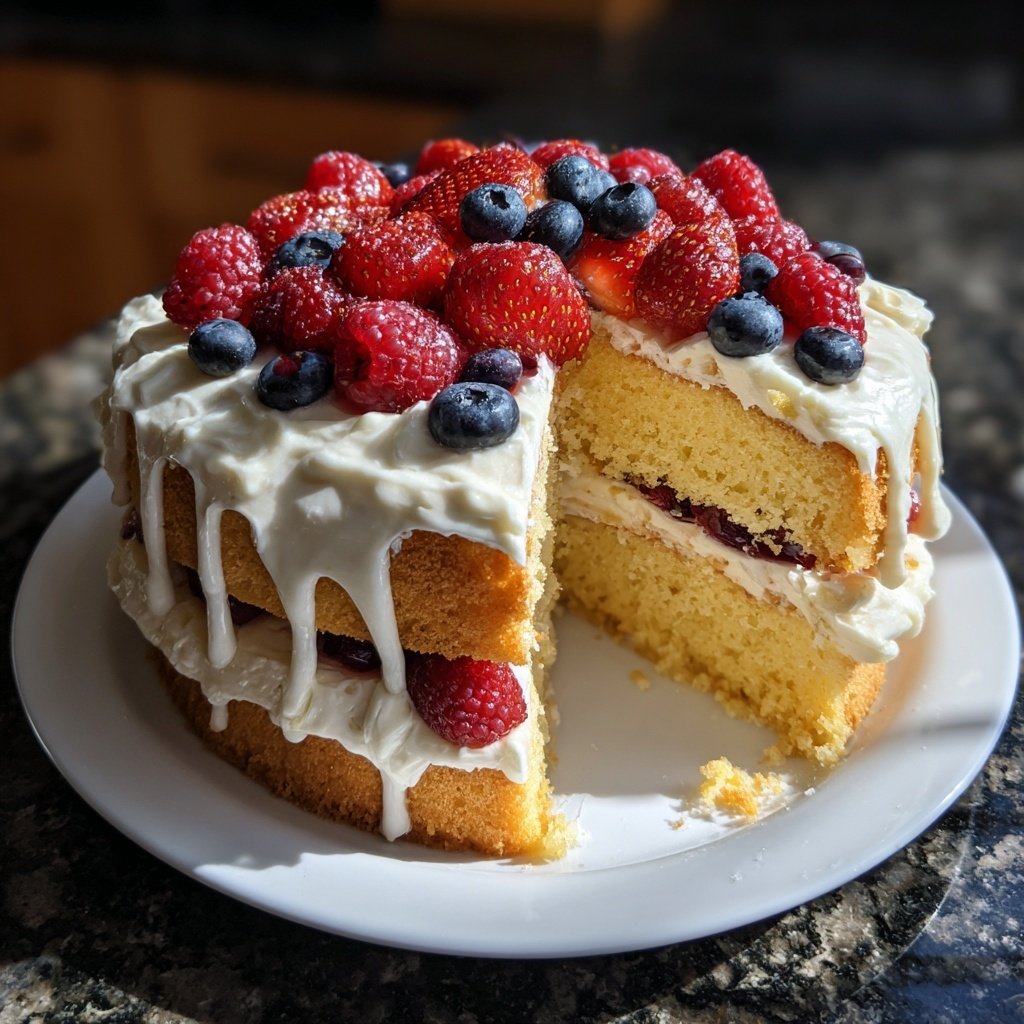
When I first attempted a vanilla sponge cake, I was amazed at how simple it was to achieve such a delightful and airy result. I experimented with different flour types, and I found that using cake flour gives the best texture—light yet sturdy enough to hold frosting. During my baking adventures, I learned the importance of room temperature ingredients, which promotes even mixing and helps the cake rise beautifully.
One tip I treasure is carefully folding in the egg whites; it’s crucial not to deflate them too much. The fluffy egg whites create air pockets which elevate the cake while baking. The result was a perfectly risen sponge cake that’s as delightful as it is easy to make. You’ll feel a sense of accomplishment once you see it baked to golden perfection!
Why You'll Love This Cake
- Light and airy texture that melts in your mouth
- Simple and quick to prepare for any occasion
- Versatile for layering or enjoying plain with toppings
Mastering the Sponge Cake Technique
The key to achieving the light, airy texture in a vanilla sponge cake lies in the method of incorporating air into the batter. When whisking the eggs and sugar, you want to beat them until they reach a pale, voluminous state. This typically takes about 5-7 minutes; the mixture should leave a ribbon-like trail when you lift the whisk. This aeration process helps the cake rise beautifully and ensures each slice is soft and fluffy.
Another important step is to gently fold the egg whites into the batter. Use a spatula and a figure-eight motion to combine the mixtures without deflating the whipped egg whites. This technique preserves the air bubbles, which are essential for the cake's texture. Remember to be patient and avoid overmixing, which can result in a dense sponge.
Ingredient Insights
Choosing the right flour is crucial for the texture of your sponge cake. All-purpose flour provides structure, while cake flour, which has lower protein content, lends tenderness. If you can't find cake flour, you can make a substitute by measuring one cup of all-purpose flour, removing two tablespoons, and replacing them with two tablespoons of cornstarch. This mix will provide a similar lightness to your cake.
The role of sugar in this recipe is not only for sweetness but also to stabilize the egg mixture when whipped. It helps maintain the airy structure of the batter as it bakes. Consider using a super-fine sugar to help it dissolve more quickly during mixing, which can further enhance the texture. Also, be sure to use unsalted butter to control the cake's salt levels, improving the overall flavor.
Serving Suggestions and Variations
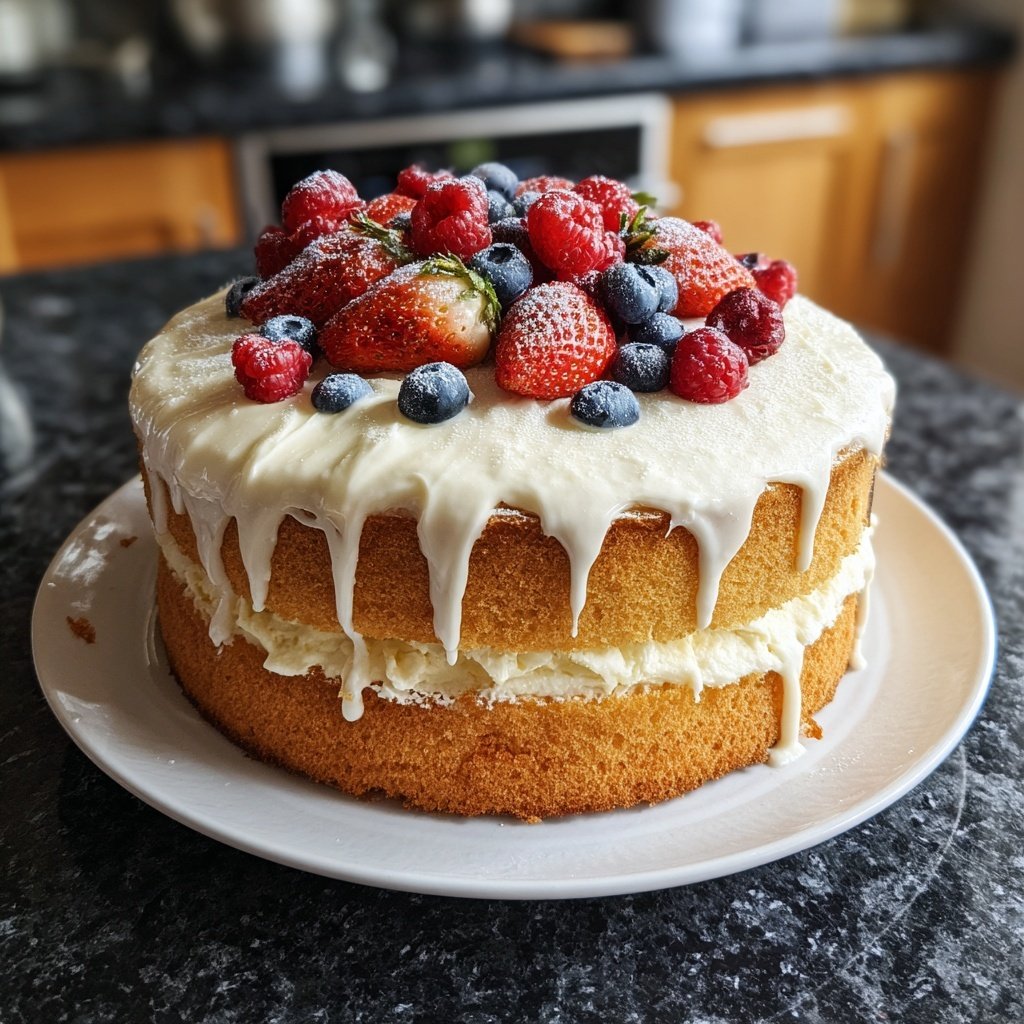
This vanilla sponge cake is wonderfully versatile. I love serving it with a light dusting of powdered sugar and a side of fresh berries, which add a refreshing contrast to the cake's sweet vanilla flavor. You can also layer it with whipped cream or a fruit compote for an elegant dessert. If you're feeling adventurous, try infusing the milk with vanilla beans or citrus zest to add a delightful twist.
For make-ahead options, you can bake the cake layers in advance and wrap them tightly in plastic wrap once cooled. They can be stored at room temperature for a day or in the refrigerator for up to a week. If you plan to serve them later, try freezing the layers, wrapped securely; they can last up to three months. Just ensure to thaw them gently at room temperature before frosting or serving.
Ingredients
Sponge Cake Ingredients
- 1 cup all-purpose flour
- 1 cup cake flour
- 1 cup sugar
- 6 large eggs
- 1/2 cup unsalted butter, melted
- 1 tablespoon vanilla extract
- 1/2 teaspoon salt
- 1/4 cup milk
Make sure to measure your ingredients accurately for the best results!
Instructions
Prepare the Oven and Pans
Preheat your oven to 350°F (175°C). Grease and flour two 9-inch round cake pans.
Mix Dry Ingredients
In a bowl, sift together the all-purpose flour, cake flour, and salt. Set aside.
Whisk Eggs and Sugar
In a separate mixing bowl, whisk together the eggs and sugar until the mixture is light and fluffy.
Combine Wet Ingredients
Add the melted butter and vanilla extract to the egg mixture, stirring gently to combine.
Combine Wet and Dry Ingredients
Gradually fold the dry ingredients into the wet ingredients until fully combined. Take care not to overmix.
Fold in Egg Whites
In a clean bowl, beat the egg whites until stiff peaks form, then carefully fold them into the cake batter.
Add Milk
Gently mix in the milk to achieve a smooth batter consistency.
Bake the Cake
Pour the batter evenly into the prepared cake pans and bake for 30 minutes or until a toothpick comes out clean.
Cool the Cake
Allow the cakes to cool in the pans for 10 minutes before transferring to wire racks to cool completely.
Once cooled, enjoy as-is or layer with your favorite frosting!
Pro Tips
- Ensure all your ingredients are at room temperature for the best results.
Troubleshooting Common Issues
If your sponge cake comes out dense, it's often due to overmixing the batter or not incorporating enough air when whisking the eggs and sugar. Make sure to adhere to the suggested timing and techniques for whipping, as these are crucial for achieving the desired lightness. If you find the top is doming too much, try leveling the batter in the pans before baking or adjusting your oven temperature to ensure even cooking.
Another common issue is cakes that stick to the pans. For a reliable release, ensure you properly grease and flour your pans, or consider using parchment paper on the bottom of the pans for added security. If you encounter sticking despite this, run a knife around the edges after cooling slightly to help release the cake.
Scaling Up or Down
Should you wish to scale the recipe, note that this sponge cake recipe can be easily halved or doubled. For halving, use 3 eggs and adjust the dry ingredients accordingly. When doubling, ensure you have appropriately sized pans, as too much batter in a smaller pan will result in uneven baking. Also, keep an eye on the baking time, as larger cakes may take longer to bake through, about 5-10 minutes extra depending on the size.
If you’re experimenting with different sizes or shapes, remember to adjust baking times accordingly. A thinner cake layer, such as in a jelly roll pan, will bake faster than a deeper cake in a round pan. Always check for doneness by inserting a toothpick in the center; it should come out clean or with a few moist crumbs but not wet batter.
Questions About Recipes
→ Can I make this cake gluten-free?
Yes, you can substitute the all-purpose and cake flour with a gluten-free flour blend.
→ How do I store leftovers?
Store the cake in an airtight container at room temperature for up to 3 days.
→ Can I freeze this cake?
Yes, you can freeze the cake layers wrapped tightly in plastic wrap for up to 3 months.
→ What can I add for flavor variations?
Try adding lemon or almond extract instead of vanilla for a different flavor profile.
Dessert Vanilla Sponge Cake
Created by: The Chefliambakes Team
Recipe Type: Oven Baking | Bread & Pastry
Skill Level: Beginner
Final Quantity: 8 servings
What You'll Need
Sponge Cake Ingredients
- 1 cup all-purpose flour
- 1 cup cake flour
- 1 cup sugar
- 6 large eggs
- 1/2 cup unsalted butter, melted
- 1 tablespoon vanilla extract
- 1/2 teaspoon salt
- 1/4 cup milk
How-To Steps
Preheat your oven to 350°F (175°C). Grease and flour two 9-inch round cake pans.
In a bowl, sift together the all-purpose flour, cake flour, and salt. Set aside.
In a separate mixing bowl, whisk together the eggs and sugar until the mixture is light and fluffy.
Add the melted butter and vanilla extract to the egg mixture, stirring gently to combine.
Gradually fold the dry ingredients into the wet ingredients until fully combined. Take care not to overmix.
In a clean bowl, beat the egg whites until stiff peaks form, then carefully fold them into the cake batter.
Gently mix in the milk to achieve a smooth batter consistency.
Pour the batter evenly into the prepared cake pans and bake for 30 minutes or until a toothpick comes out clean.
Allow the cakes to cool in the pans for 10 minutes before transferring to wire racks to cool completely.
Extra Tips
- Ensure all your ingredients are at room temperature for the best results.
Nutritional Breakdown (Per Serving)
- Calories: 280 kcal
- Total Fat: 10g
- Saturated Fat: 5g
- Cholesterol: 130mg
- Sodium: 180mg
- Total Carbohydrates: 36g
- Dietary Fiber: 1g
- Sugars: 22g
- Protein: 5g